

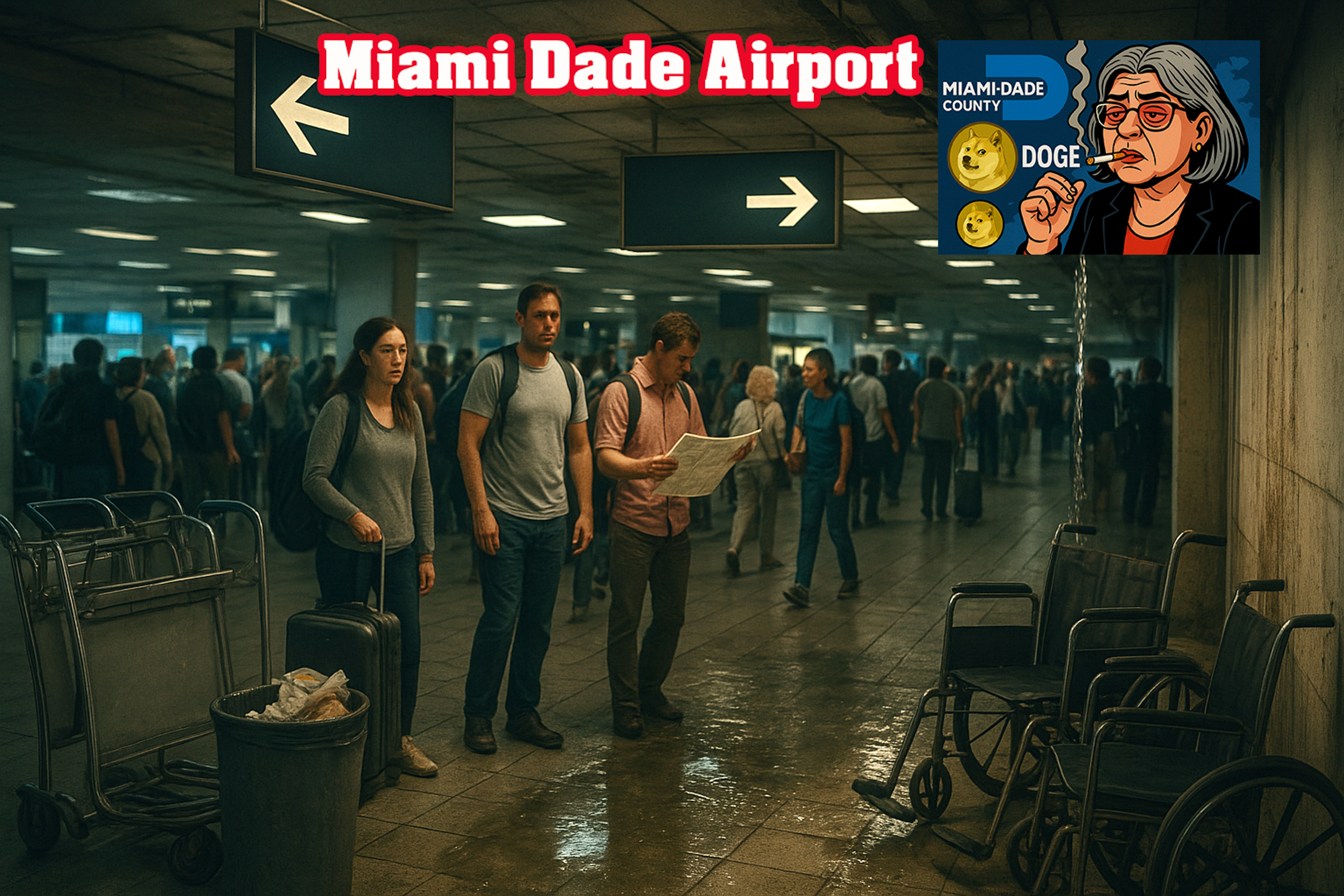
Miami International: Between Broken Pipes and Administrative Corruption
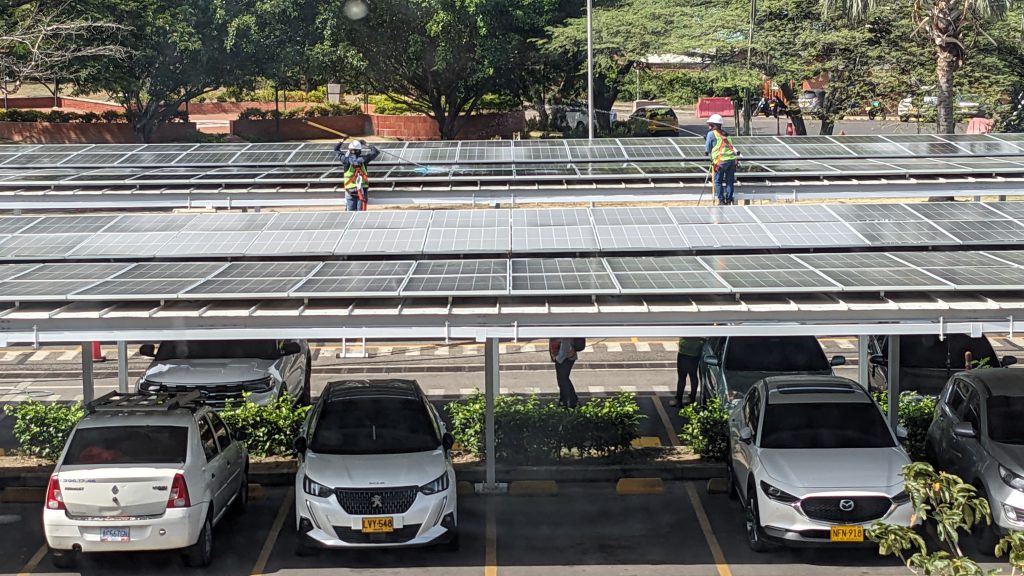
Recently, I had the opportunity to travel from Colombia to the United States, with a stopover in Panama. During my transit, I observed a phenomenon that never ceases to amaze me: the vast difference in the quality of transportation infrastructure in these countries, particularly with regard to airports. While the airport in a small Colombian town still maintained admirable conditions, the airport in Miami, where I have lived for more than 30 years, showed clear signs of decay. The cleanliness of airports in countries like Colombia and Panama, compared to one of the largest in the United States, is not only surprising, but also raises serious questions about how public resources are managed and administered.
A Heartbreaking Contrast
Arriving at the airport in Colombia, a place that, despite the growing number of passengers, continues to maintain a cleanliness that is noticeable in every corner. I was surprised by what I found in Panama. Although the flow of people was noticeably higher, the order and cleanliness of the space were also evident, which for me represented a good example of how resources can be managed for the benefit of the community. However, when my flight landed in Miami, the impression was completely different.
Is it possible that such a large international airport, which handles one of the highest passenger flows in the world, could be in such poor condition? After years of renovations, multimillion-dollar investments, and constant promises of improvements, what I found was a devastating panorama. Despite being told time and again that the funds invested in the airport would guarantee quality infrastructure, the reality is completely different. The space seemed more like a place in decline than a modern international terminal.
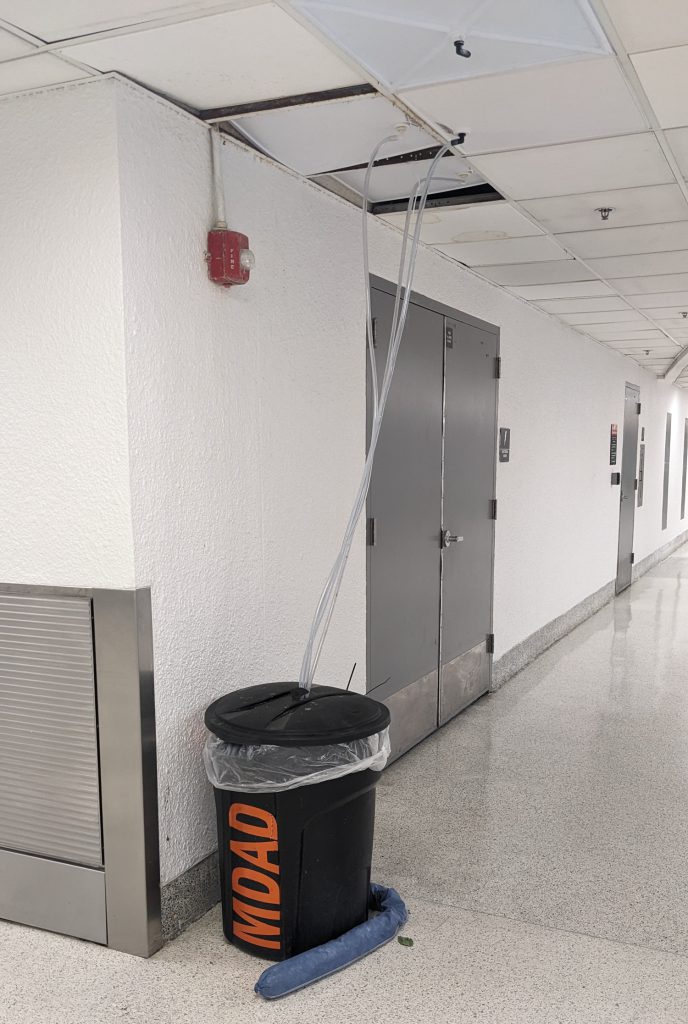
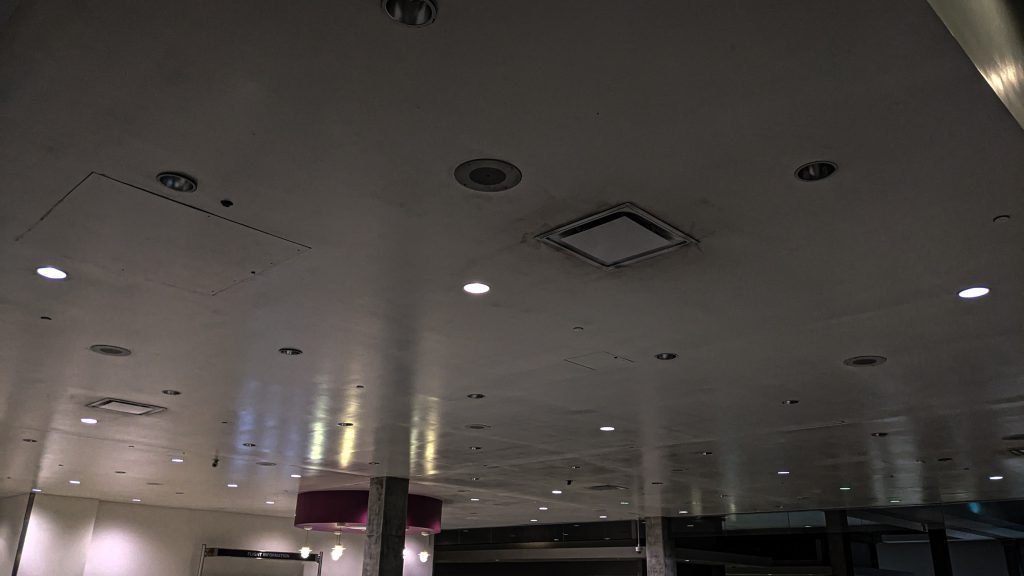
One of the first details that caught my attention was the widespread disorganization. The luggage carts stacked up along with wheelchairs, leaning against the walls, gave a sense of abandonment. And in the same place, makeshift trash cans collected water leaking from the ceilings, while exposed pipes dangled, giving the impression of a place in ruins. How is it possible that, after so much public investment, the facilities have reached this level of disrepair?
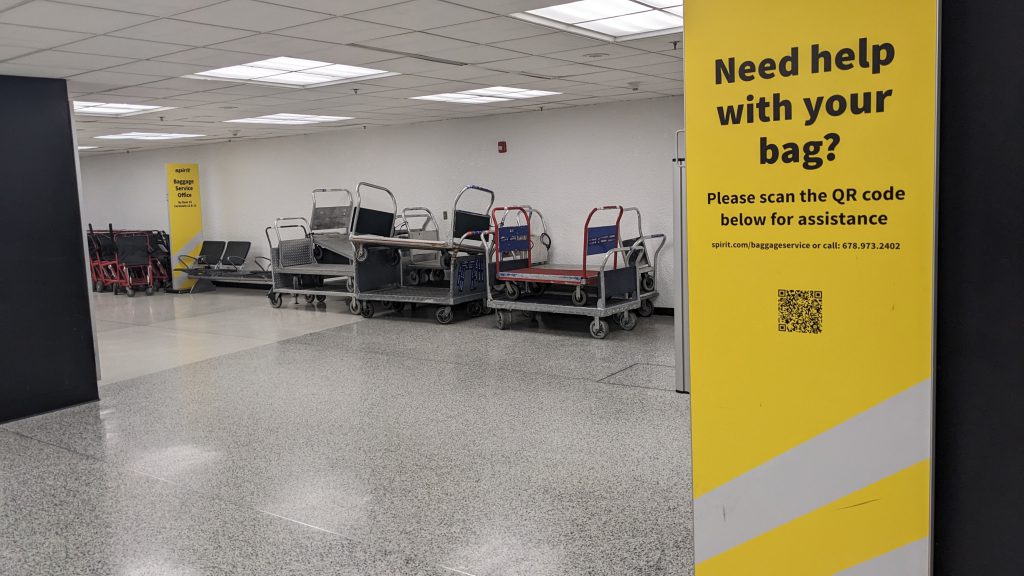
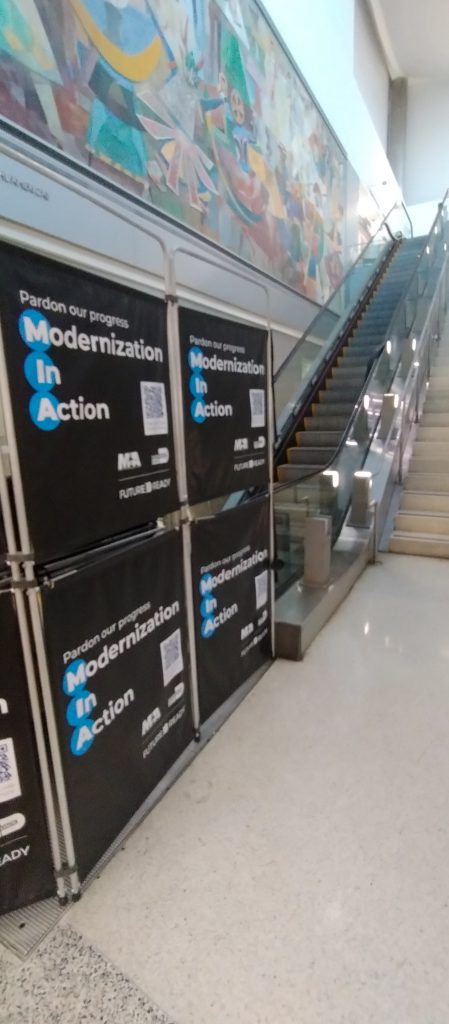
The escalators, a fundamental element for passenger comfort, were not working, which was even more frustrating when the signs, clearly intended to convey confidence, told us that they were “working to provide us with better service.” This sense of falsehood, of unfulfilled promises, only increased my indignation. Faced with this situation, I decided to take photos to demonstrate what I had observed.
Disdain for Nursing Mothers
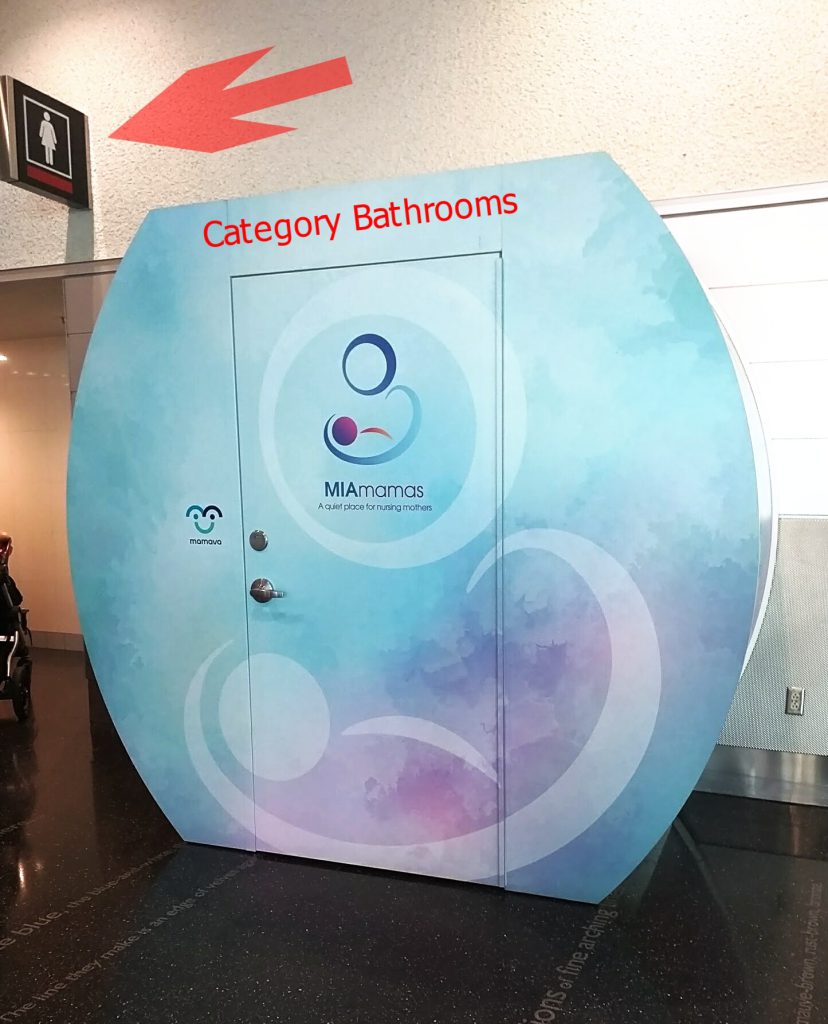
One of the aspects that disturbed me most was the creation of what they called “breastfeeding closets,” small spaces for mothers who want to breastfeed their children in privacy. These types of initiatives, although seemingly well-intentioned, hide a troubling ideology. Do we really need to “confine” mothers in small spaces as if breastfeeding were a shameful act? This idea is not only based on a fallacy, but it also perpetuates the idea that breastfeeding is something to be done in the dark, in the secrecy of a closet, as if it were inappropriate or out of place. It’s a shame that, instead of promoting true inclusion and normalization, mothers are made to feel like they have to hide for such a natural and necessary practice.
Confusing Signage and Misinformation
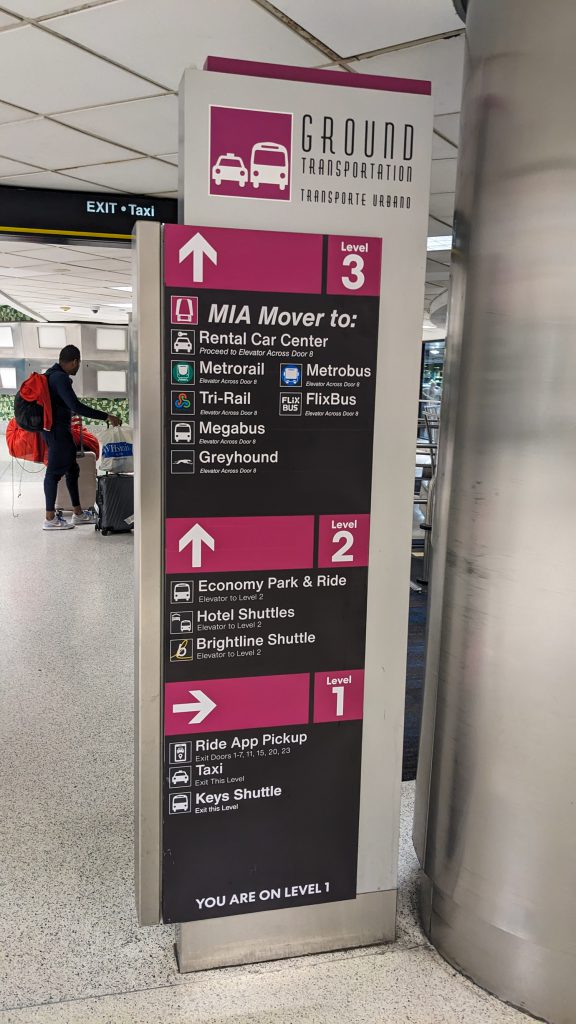
Another striking aspect was the signage inside the airport. In my attempt to find the route to the subway system or the car rental center, I followed the signs. What initially seemed like clear guidance soon turned into a maze of wrong turns. I unwittingly ended up in a hotel hallway, far from my original destination. A sign clearly indicated the direction to the train system, but not only was it incorrect, it was also confusing for other passengers. In the end, the solution came after searching and asking other passengers who apparently use the airport frequently, but the underlying problem remained the same: the lack of consistent and effective signage.
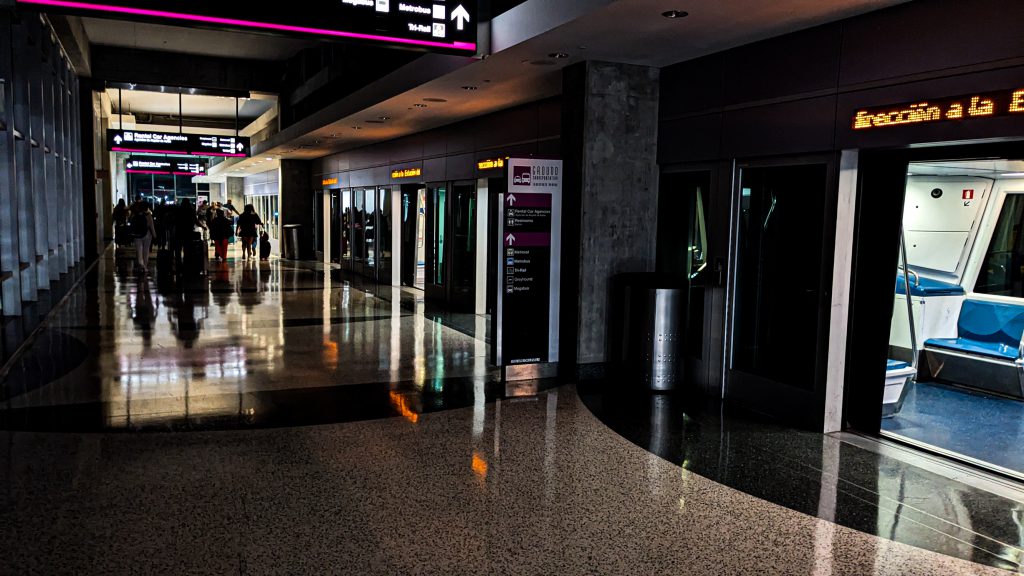
After much walking, I finally managed to find the “Metromover” (Metro Bus), which, within the darkness of its corridors and platforms, took us to the metro rail, only to face a new set of inconveniences. The first surprise was the lack of machines that accepted cards, and the only machine that did had a considerable line. Although the payment system was not unfamiliar to me, as I had used the subway in Miami before, the lack of infrastructure and operational glitches were undeniable. Despite having a “specialist” to guide us on how to purchase a ticket, the experience left much to be desired.
The Subway Collapse and Uncertainty
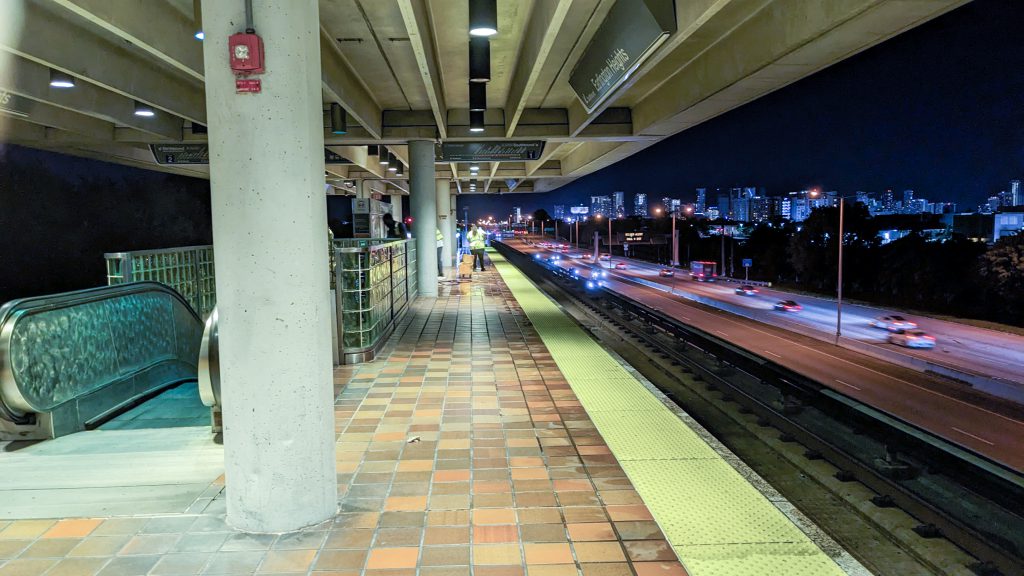
Along the way, the situation worsened. Upon arriving at the station where the train connects to the main line, the train abruptly stopped, and a man, not in uniform, yelled at the passengers to get off the train. The lights went out, and in the confusion, I asked what was happening. A passenger explained to me that the train only went that far and that I now had to wait for another train to continue my journey. How is it possible that, in the year 2025, there isn’t adequate communication with passengers about route changes?
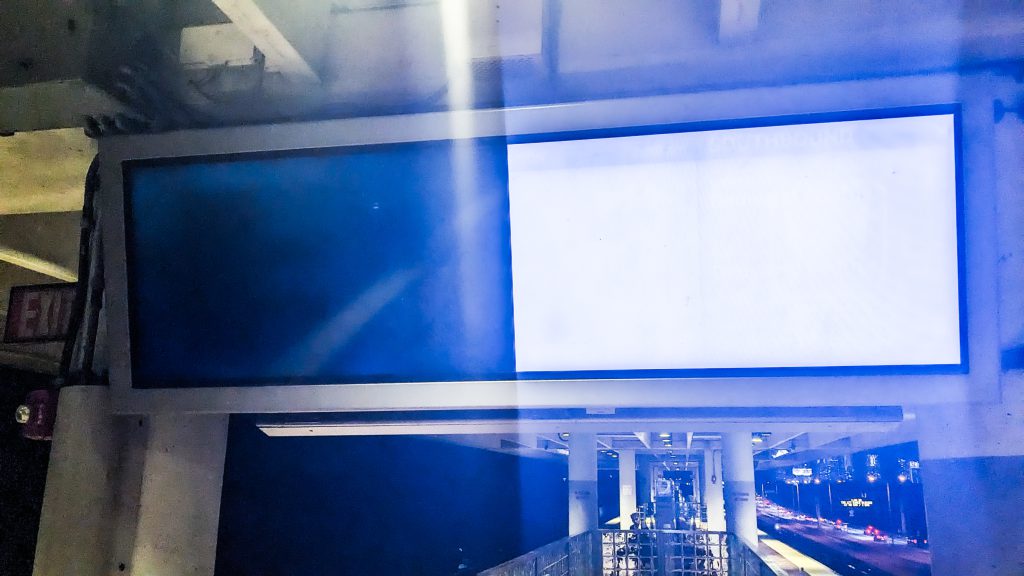
The worst part was the lack of information on the monitors. While I waited for the train, the station monitors, although on, showed no image. There was only a completely white error screen with no readable message. On another monitor at the end of the platform, I could read a sign saying the train would arrive “in 2 minutes,” but it didn’t appear until 30 minutes later. During that time, the noise of high-pressure machines and the spray of water surrounded me, making the wait even more uncomfortable. It was then that I changed seats, looking for a place where I could see one of the few monitors that, for some reason, was working.
The Injustice of Public Spending
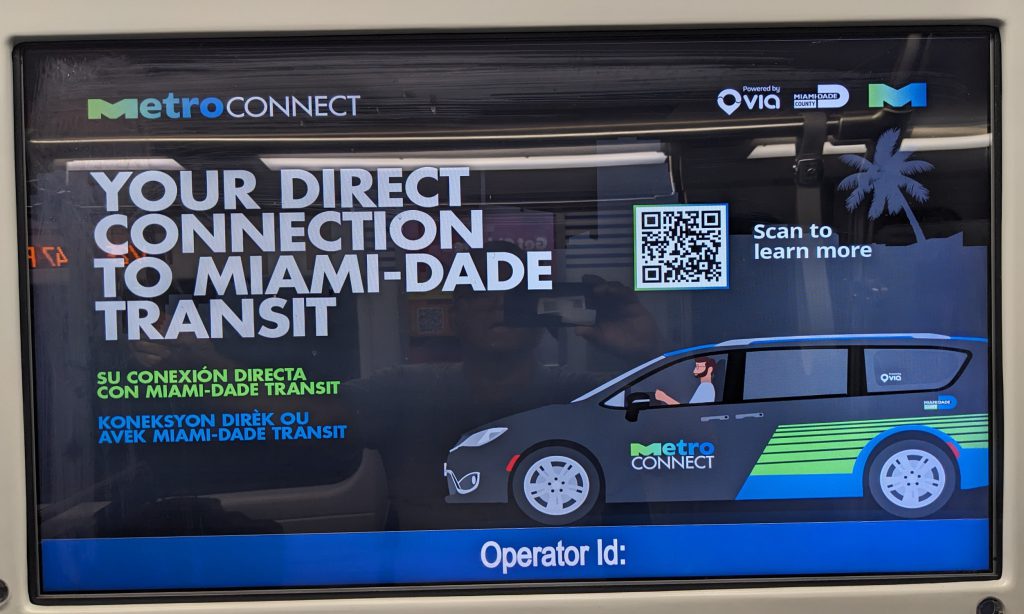
Finally, after what seemed like an eternity, the train arrived, and I made it to my destination station, but not before taking a photo of a large advertisement on a monitor promoting the “connection” of the train system through the “Conect System.” The sign stated that the system existed, and if you wanted more information, you could take a picture of the “QR.” But it didn’t mention the enormous amounts of money the county had invested in the system, nor that it had prepaid $17 million in advance for a service that is clearly unnecessary and unknown to most residents and that doesn’t live up to its promise. This is a reality that taxpayers should question, as public money has been spent irresponsibly on a system that doesn’t provide efficient service and that clearly hasn’t been properly managed.
Why do we continue to accept the deterioration?
What I experienced in Miami was a clear reflection of the decay of much of the infrastructure in “Miami-Dade.” A world-class airport, as Miami is known, cannot afford to display the neglected conditions in which I found it. What’s most alarming is that these types of situations are repeated time and again, despite the enormous investments made, which are ultimately paid for by taxpayers. The lack of transparency, inefficient resource management, and lack of accountability on the part of authorities are problems we can no longer ignore.
Despite the outrage, what shocks me most is the lack of response or action to address these problems. As citizens, we must demand higher quality in the use of our resources and more respectful treatment of our needs and rights. Public infrastructure should not be a field of experimentation or neglect, but rather a reflection of the seriousness with which everyone’s resources are managed. And, above all, it must be a place that guarantees the comfort, safety, and well-being of all citizens and visitors.
About the Author